How to Work with the Chakras in a Yoga Class
10 Practical Ways to Weave Subtle Energy into Your Teaching
Yoga is more than just movement; it’s an exploration of energy, awareness, and connection. One powerful framework for understanding this energetic dimension is the chakra system. In yogic tradition, the chakras are often described as energy centers within the subtle body that influence our physical, emotional, and spiritual well-being. There are seven primary chakras, each associated with different qualities, physical locations, and life themes—from feeling grounded and secure to expressing yourself authentically or cultivating insight. Working with the chakras can add richness and depth to your yoga classes, offering students a holistic experience that goes beyond the poses.
Whether you’re new to chakra work or looking for fresh inspiration, here are 10 simple and effective ways to incorporate the chakras into your yoga classes.
1. Theme the Class Around One Chakra
Choose a specific chakra to focus on for the entire class. For example, a class centered on Muladhara (the root chakra) might emphasize grounding poses like Mountain (Tadasana) and Warrior I (Virabhadrasana I), as well as themes of stability and safety. Anchor your cues and meditations in the qualities of that chakra. Remember to keep classes balanced physically so that you are not causing discomfort or injury through repetitive movement or neglecting movement in some areas of the body.
2. Use Color Visualization
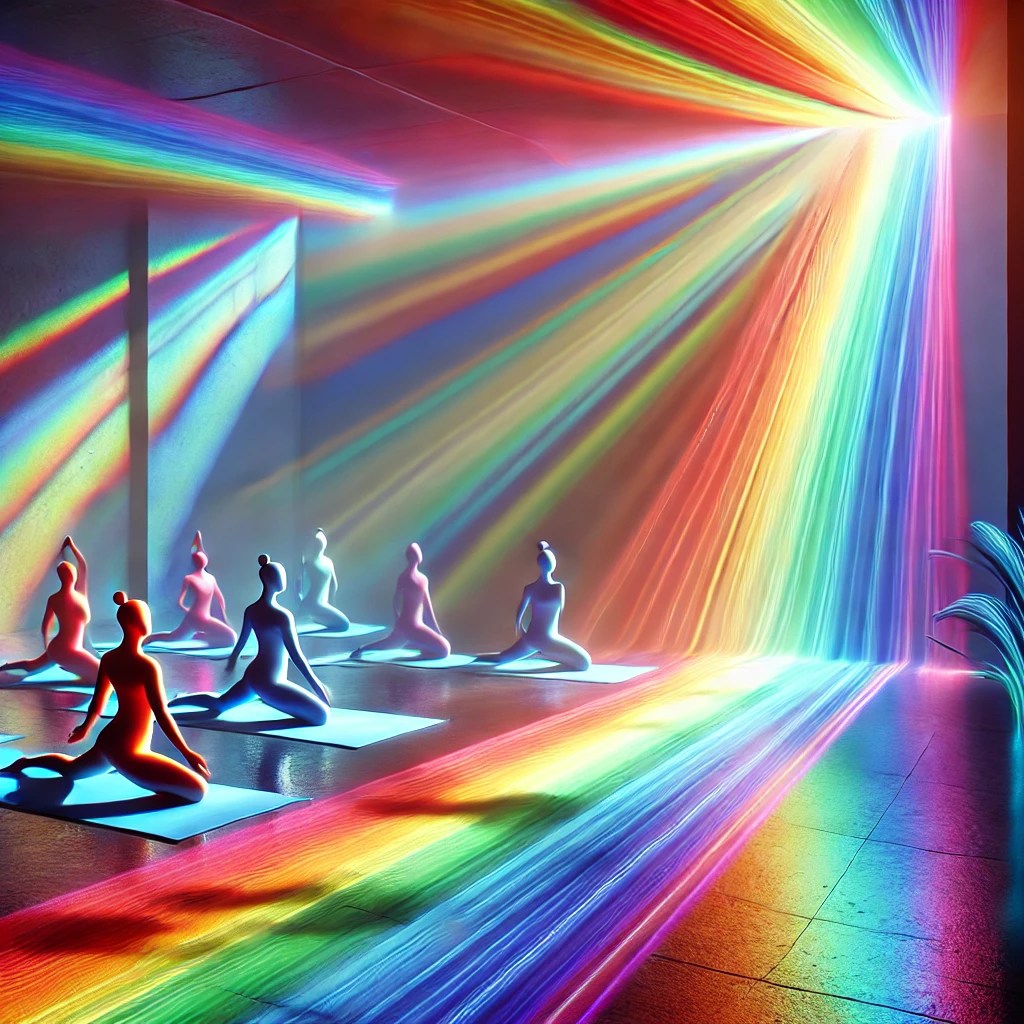
Each chakra is traditionally associated with a color. Invite your students to visualize the color of a specific chakra during breathwork, meditation, or as they move through postures. For example, during heart-opening poses, guide them to imagine a green light radiating from the center of their chest.
3. Integrate Sound and Mantra
Sound is a powerful way to activate and balance the chakras. You can introduce bija (seed) mantras, such as “LAM” for the root chakra or “YAM” for the heart. Invite students to chant softly or simply listen as you incorporate these sounds into class.
4. Use Chakra Affirmations
Create chakra-specific affirmations for reflection or intention-setting. The root chakra brings qualities of stability, the sacral chakra brings qualities of creativity, etc. For example, for the throat chakra (Vishuddha), you might offer: “I express myself with clarity and confidence.” Invite students to repeat the affirmation silently as they practice. The qualities of each chakra include strengths that can be used for chakra specific intentions.
5. Sequence with the Chakras in Mind
Design a class that travels through the chakras from root to crown (or vice versa). Start with grounding poses, move into creative hip openers, energize the core, and open the heart and throat—culminating in introspective and meditative postures for the third eye and crown.
6. Incorporate Mudras
Hand gestures, or mudras, can help direct energy toward specific chakras. For example, Gyan Mudra (thumb and index finger touching) is often used for the crown chakra to cultivate wisdom. Teach mudras in seated postures, during meditation, or to add variety to common standing poses.
7. Include Chakra-Inspired Breathwork (Pranayama)
Different pranayama techniques can activate different energy centers. Engaging pelvic floor during exhalation can engage root chakra, while focusing on expanding the ribcage with the inhale in back bends can engage heart chakra and breath of fire is a powerful way to activate solar plexus chakra. A personal favourite of mine is to practice ujayi or ocean breath to bring awareness to throat chakra.
8. Offer Chakra-Related Essential Oils or Scents
If appropriate for your setting, lightly introduce scents associated with each chakra. For example, grounding scents like cedarwood for the root chakra or uplifting peppermint for the throat chakra. Be mindful of sensitivities and the location that you teach in. Some facilities are scent-free and some embrace scents. I generally use this technique with clients in their homes after I check with them that they enjoy scents. And don’t forget that just because essential oils are natural, that clients may have allergies. (Citrus is a common food allergy for example so that oil should be avoided for that person.)
9. Play Chakra-Specific Music or Sounds
Use background music with frequencies or sounds aligned to each chakra. There are many soundtracks designed to resonate with specific energy centers, or you can use instruments like singing bowls that correspond to chakra notes.
10. Guide a Chakra Meditation in Savasana
End your class with a guided meditation that travels through the chakras. Invite students to connect with each area of the body like a body scan. Describe its color or an item of that colour, repeat and affirmation or any other qualities of the chakra during final relaxation. Having a place to let the mind land during meditation can be helpful for directing a busy stream of thoughts.
My last thought is to start simple and build your confidence. Select ways of teaching that feel authentic to your personal style and see how it lands for you and your students. Namaste!
 ZenwithGwen
Love this! big fan f adding scents to the practice! Linda xx
LikeLike